A react component library used by the amplify team.
The Amplify package is a comprehensive set of components, utilities, providers, and hooks meticulously crafted by the Amplify team. This toolkit is designed to streamline development processes, ensuring that developers have access to the essential building blocks necessary for creating dynamic applications. With a focus on efficiency, this package automates the building and publishing processes whenever code is merged into the main branch, making it a vital resource for modern developers.
The convenience of using this package is enhanced by its robust configuration management and built-in tools, making it easy for developers to set up their projects quickly and efficiently. Whether you’re building a new application or enhancing an existing one, this package provides the resources needed to elevate your development experience.
Automated Builds: Automatically builds and publishes the package upon merging code into the main branch, streamlining the deployment process.
Version Control: Easily manage versioning with Yarn commands to specify the type of versioning you need, ensuring smooth updates and compatibility.
Comprehensive Configuration Files: Includes essential configuration files such as .eslintrc.js, .prettierignore, and tsconfig.json to enhance project setup and maintain coding standards.
Project Setup Scripts: Provides a simple script to download necessary configuration files, helping developers get started with minimal hassle.
Flexible Project Structure: Designed to work with a flexible project structure, allowing for easy integration and adaptation to existing setups.
Support for Docker: Includes a Dockerfile and nginx configuration, facilitating containerization and deployment of applications in diverse environments.
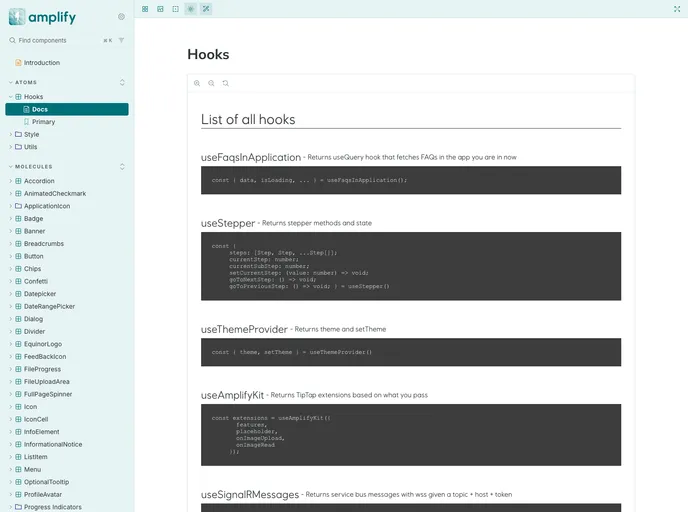
Use of Advanced Hooks: Leverages modern React hooks to manage state and side effects, promoting best practices in component architecture.

